KO · EN · VI
Marine Propulsion Retrofit · Ulsan
Scroll
In-Service Vessel Retrofit

Setting the standard for
propulsion transition.

Rim-Driven, Electric, and Hydrogen — three propulsion tracks under one retrofit framework. We replace propulsion without taking your fleet out of service.

7%↑
Energy Efficiency
Rim-Driven Baseline
80%↓
Underwater Radiated Noise
CFD Validated
Zero
Drop-in Install
No Hull Modification
Rim-Driven · Electric · Hydrogen Standardized Retrofit Package B2B · B2G Supply
— 00 Positioning
Company Definition

PharosMarine directly replaces the propulsion systems of in-service small craft. We do not build new vessels — instead, we install one of three packages (Rim-Driven, Electric, or Hydrogen) on the existing hull. All three tracks share a single installation, validation, and operations standard.

01
What We Deliver

From design to installation,
delivered as one package.

Solutions are supplied at the program level. Feasibility study, system design, on-site installation, operational validation — every stage under a single framework.

Built on our Rim-Driven Thruster, Electric Outboard, and Hydrogen Outboard portfolio, we propose transition strategies tailored to each market and use case.

About the Company
01
No Hull Modification
We replace only the propulsion system, leaving the existing hull structure intact. Work is completed on-site, with no dry-docking required.
02
Built for Repeatable Installation
Standardized installation procedures designed to apply the same specification to multiple vessels. Tuned for fleet-wide transition.
03
Three Propulsion Tracks
Rim-Driven, Electric Outboard, and Hydrogen Outboard — choose one track based on mission profile and fuel strategy.
04
B2B · B2G Supply
Vessel operators, government agencies, and OEMs — we operate dedicated supply channels for each segment.
02
Why Retrofit
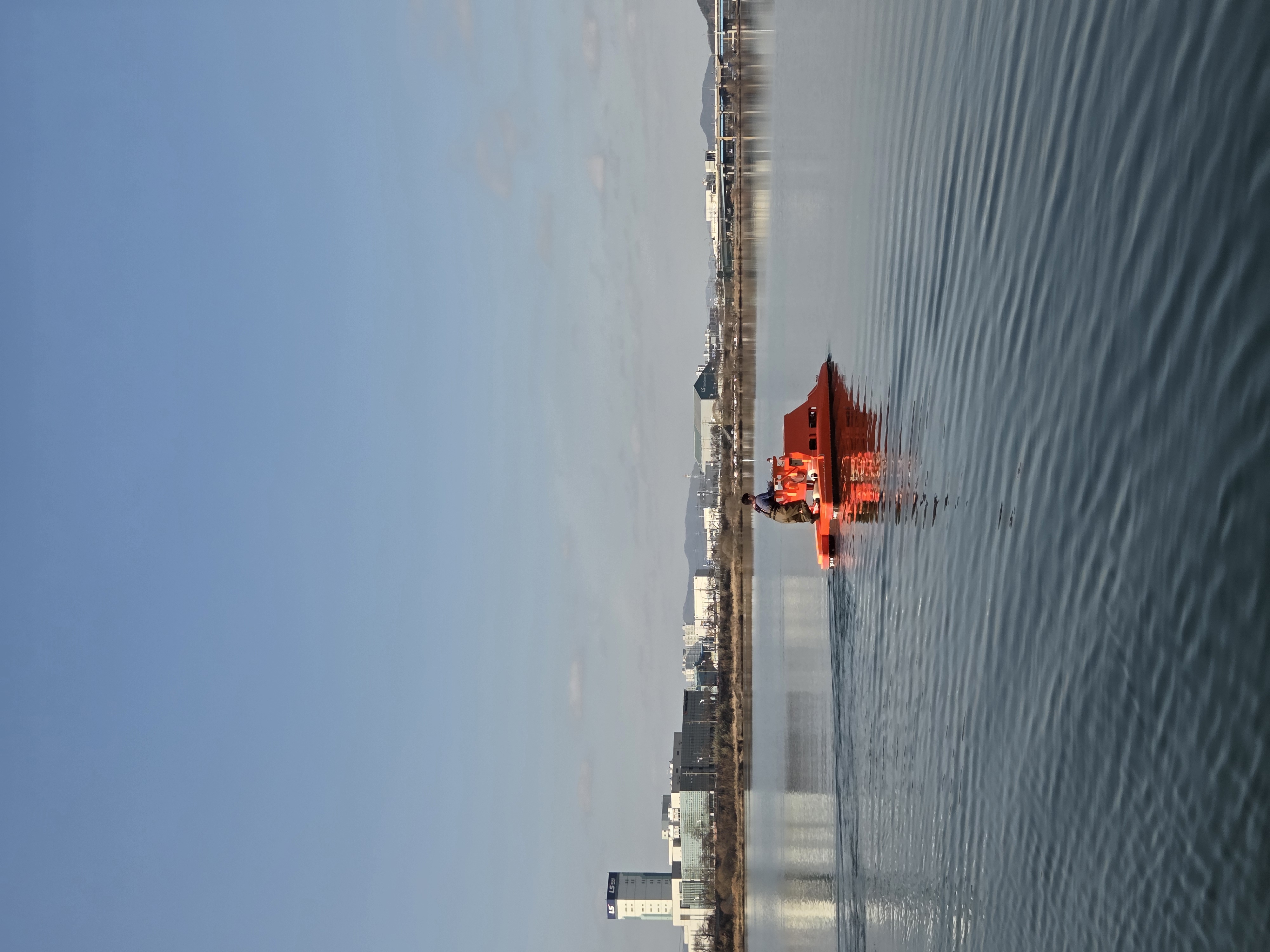
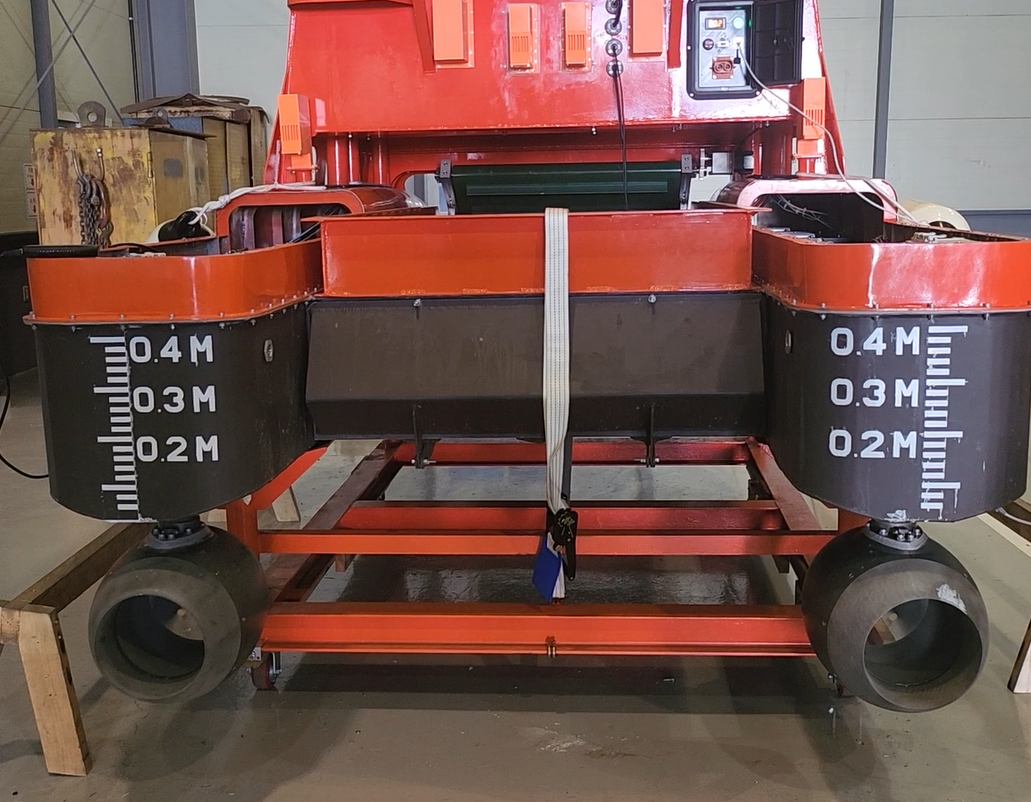
In-service operation — Rim-Driven Propulsion System Operational Validation · In-Service Sea Run

Transition without
replacing the vessel

The vast majority of small craft worldwide still rely on internal combustion engines. Ordering a newbuild is rarely realistic in either cost or time.

Retrofit — installing new propulsion directly onto the existing hull. No newbuild. Repeat the same procedure, and the fleet transitions together.

Existing Operations Preserved
Crews keep the same control interface and operating procedures — no retraining required.
Faster Than a Newbuild
Skip vessel construction lead time and replace only the propulsion system. On-site turnaround is dramatically shorter.
Repeatable Across the Fleet
Apply the same procedure repeatedly to transition an entire fleet to consistent quality.
Lower Upfront Conversion Cost
No need to replace the entire vessel — the capital barrier to making the transition decision drops sharply.
7%↑
Energy Efficiency
Rim-Driven Baseline
80%↓
Underwater Radiated Noise
CFD Validated
50%↓
Installation Footprint
External POD Mount
1 day
Design Lead Time
4 weeks → 1 day, automated
03
Three Product Tracks

Three propulsion tracks,
one installation standard.

Each track targets a different market and mission. The tracks are independent — but installation, validation, and operation follow the same standard.
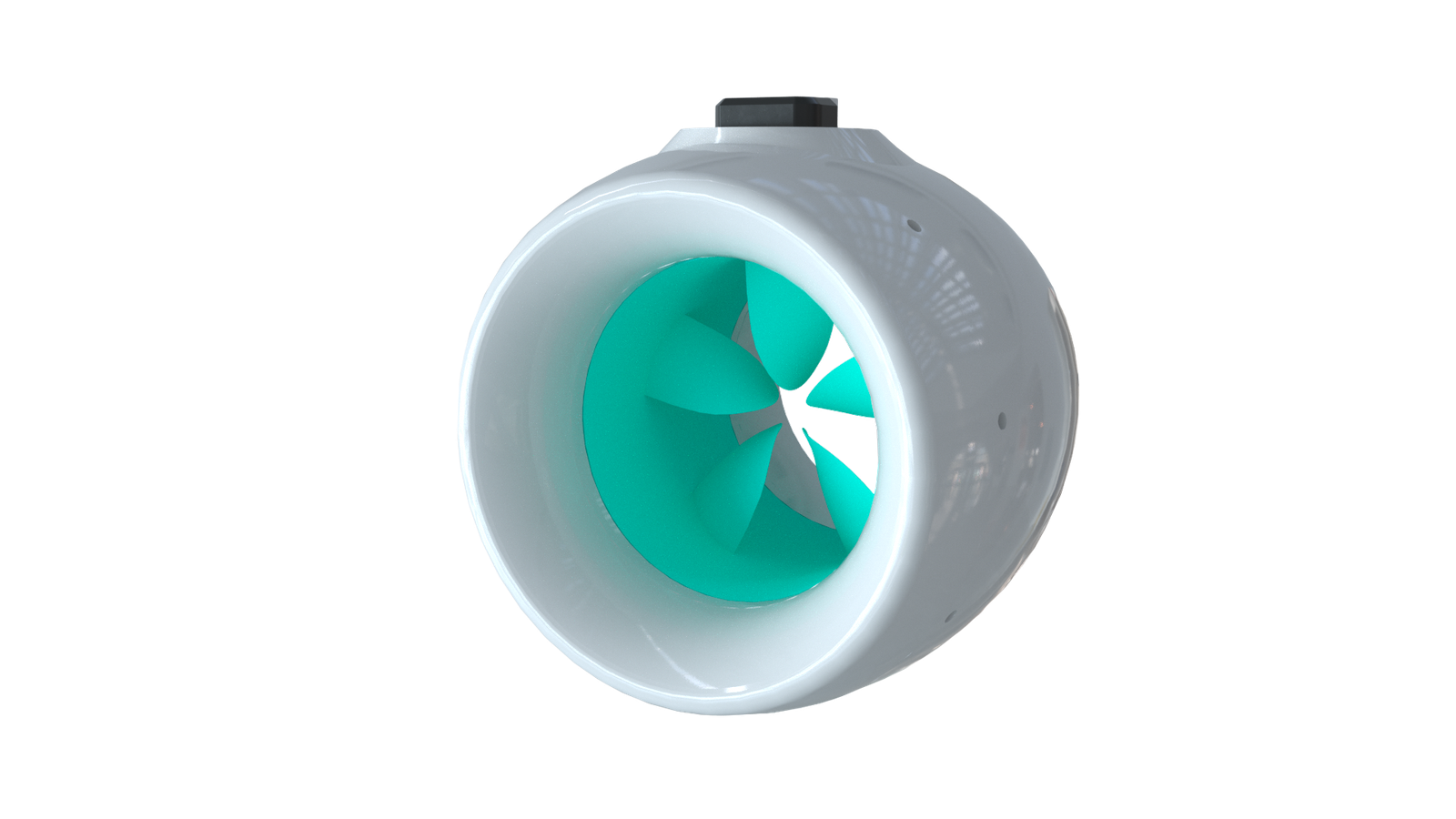
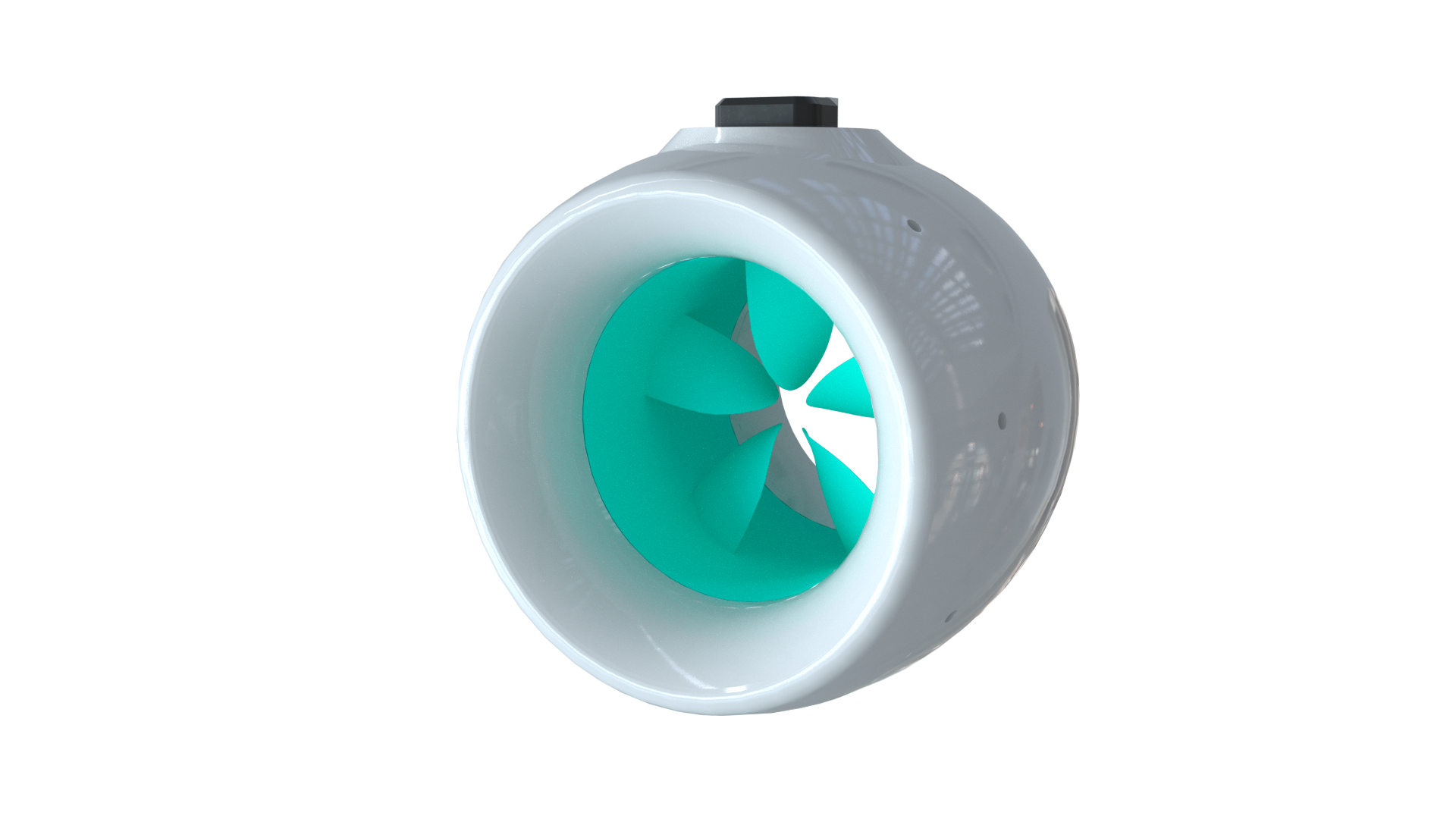
Rim-Driven Propulsion System — 3D rendering
Track 01 — Rim-Driven
Rim-Driven Propulsion System
An electric propulsion architecture that integrates the motor and propeller into a single rim. By eliminating the shaft and gearbox, vibration, noise, and maintenance burden are reduced.
  • Shaftless integrated structure
  • Energy efficiency improved by 7%+
  • Underwater radiated noise reduced by 80%+
  • Suited to special-purpose and high-reliability vessels
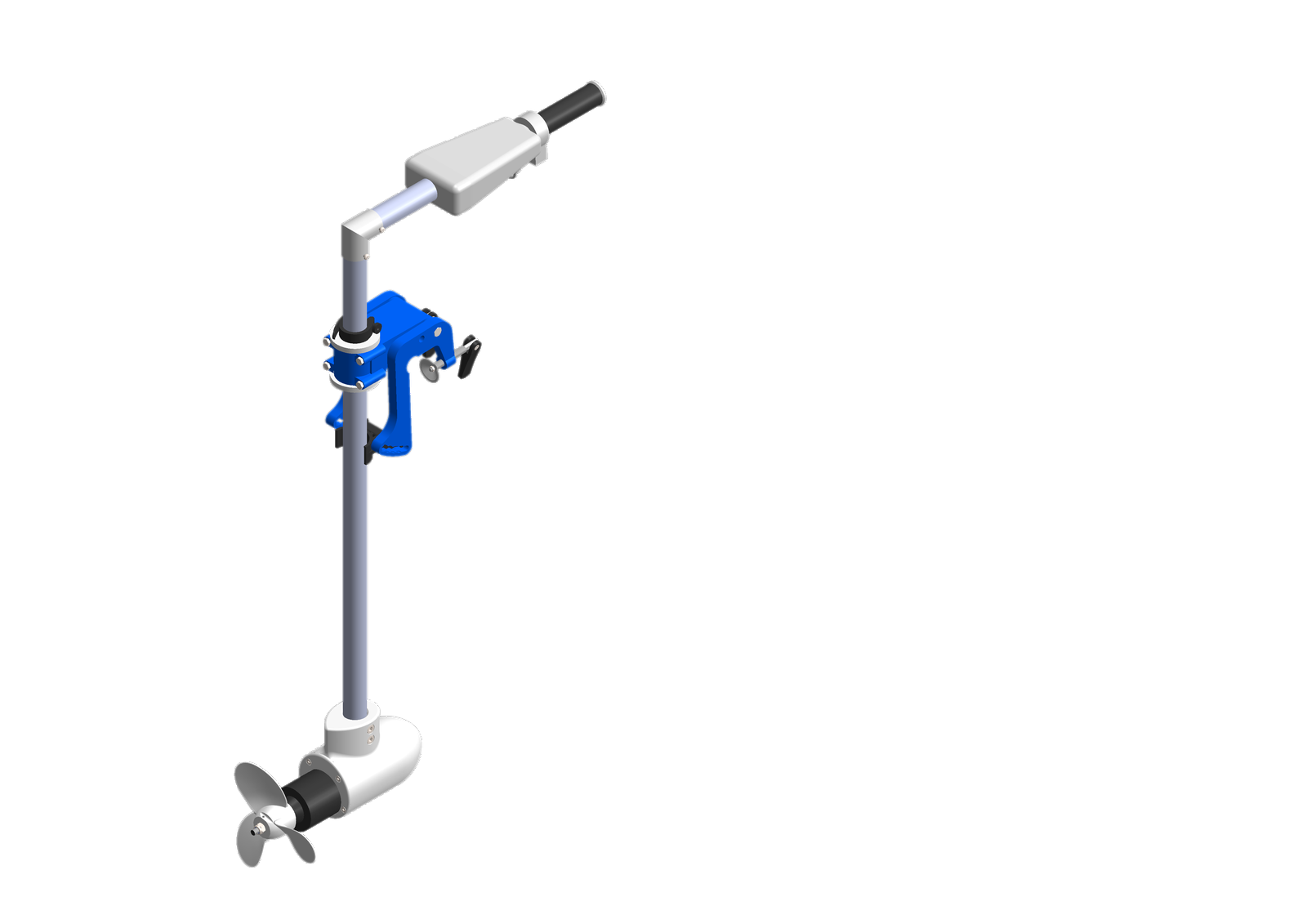
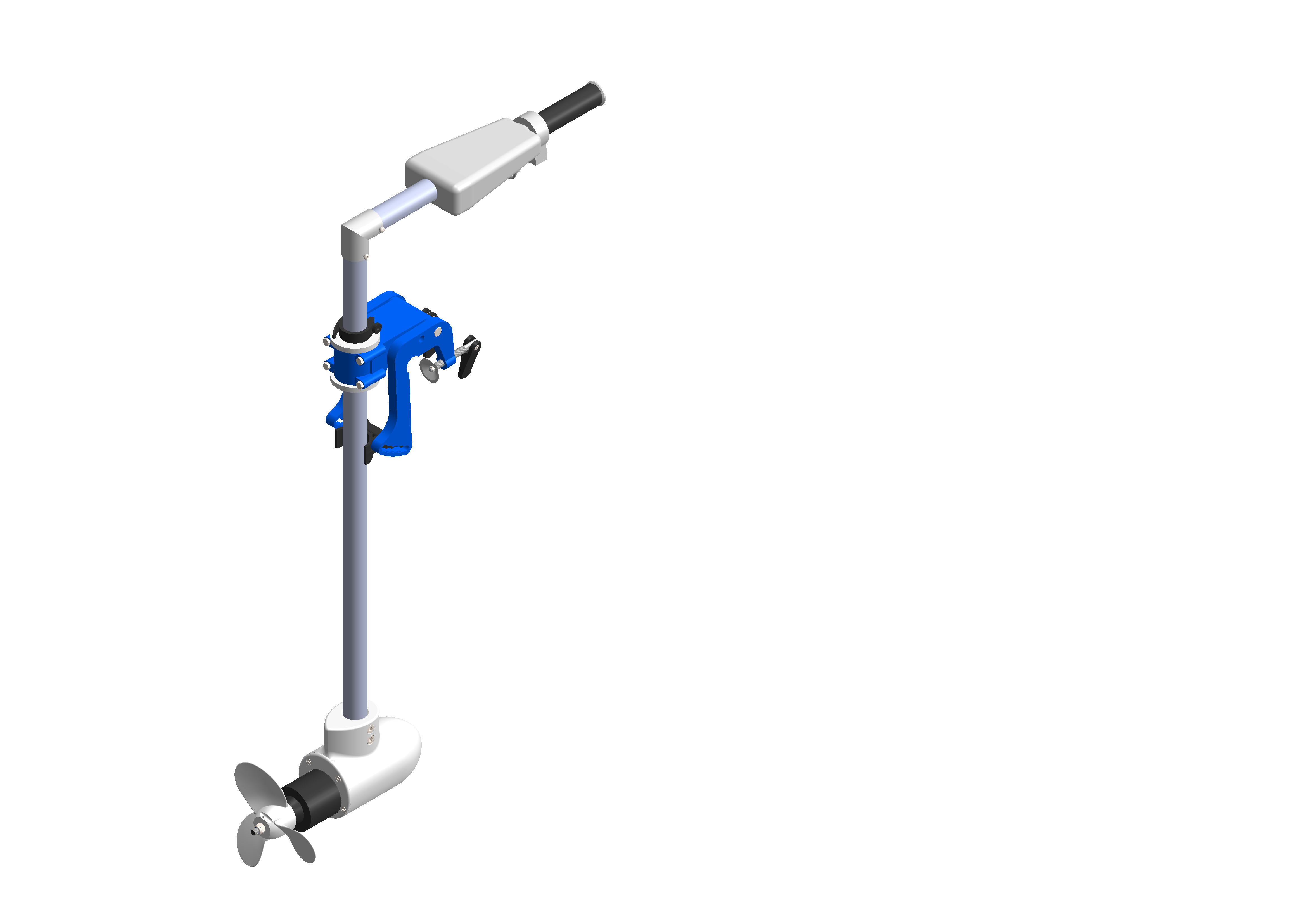
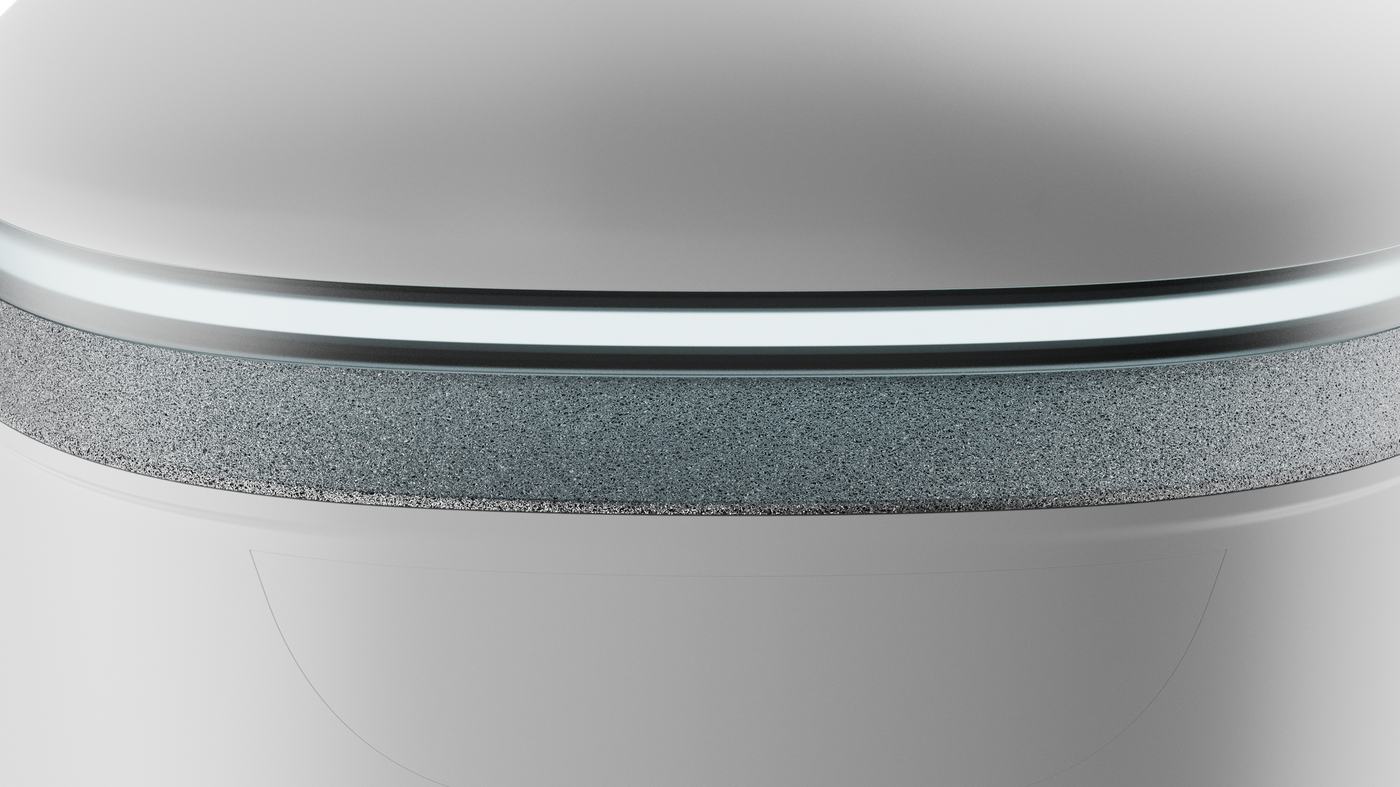
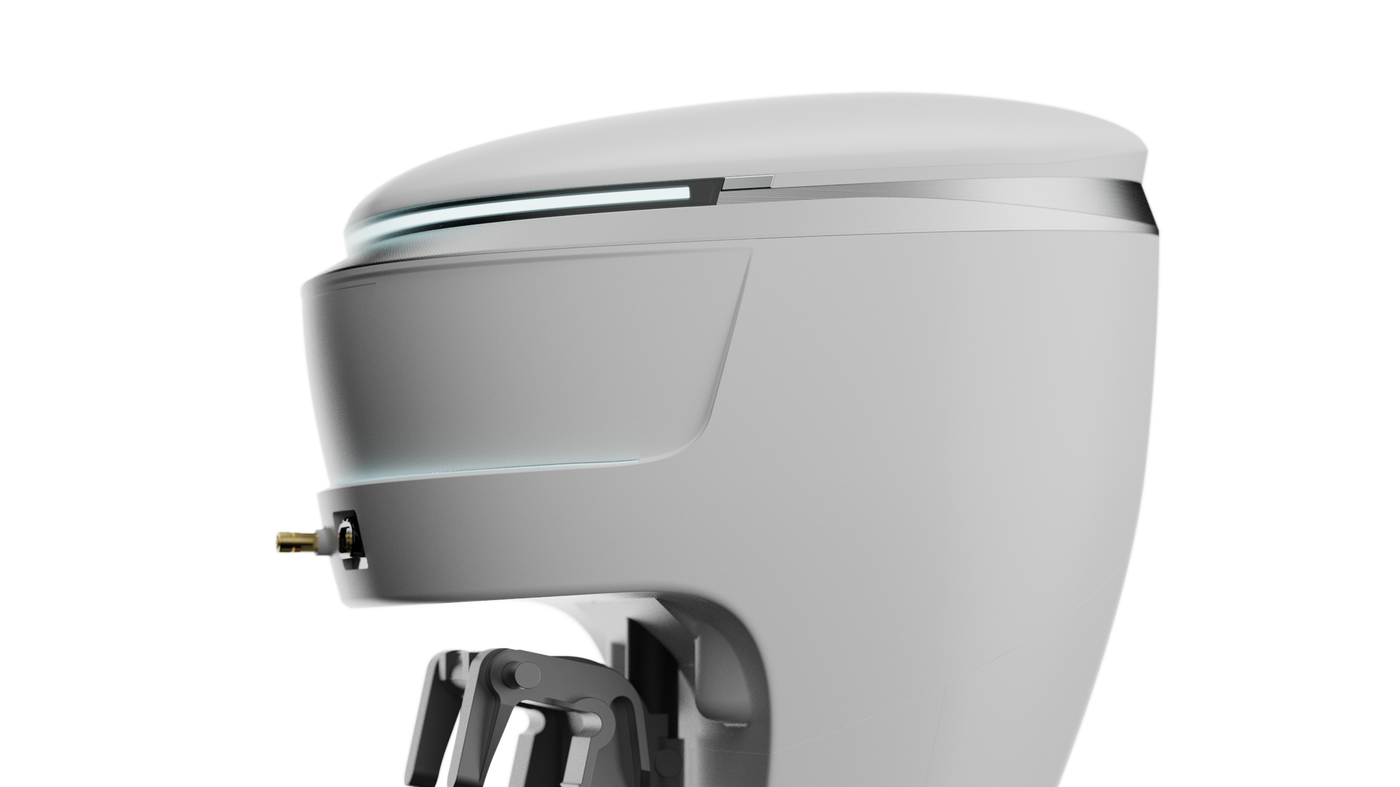
Electric Outboard Motor — 3D rendering
Track 02 — Electric Outboard
Electric Outboard Motor
A drop-in replacement for legacy combustion outboards. Targeted at fleet-wide transition of small fishing boats and commuter craft across Southeast Asia.
  • Drop-in retrofit package
  • Compatible with existing mounts
  • No hull modification required
  • Southeast Asian fishing boats and commuter craft
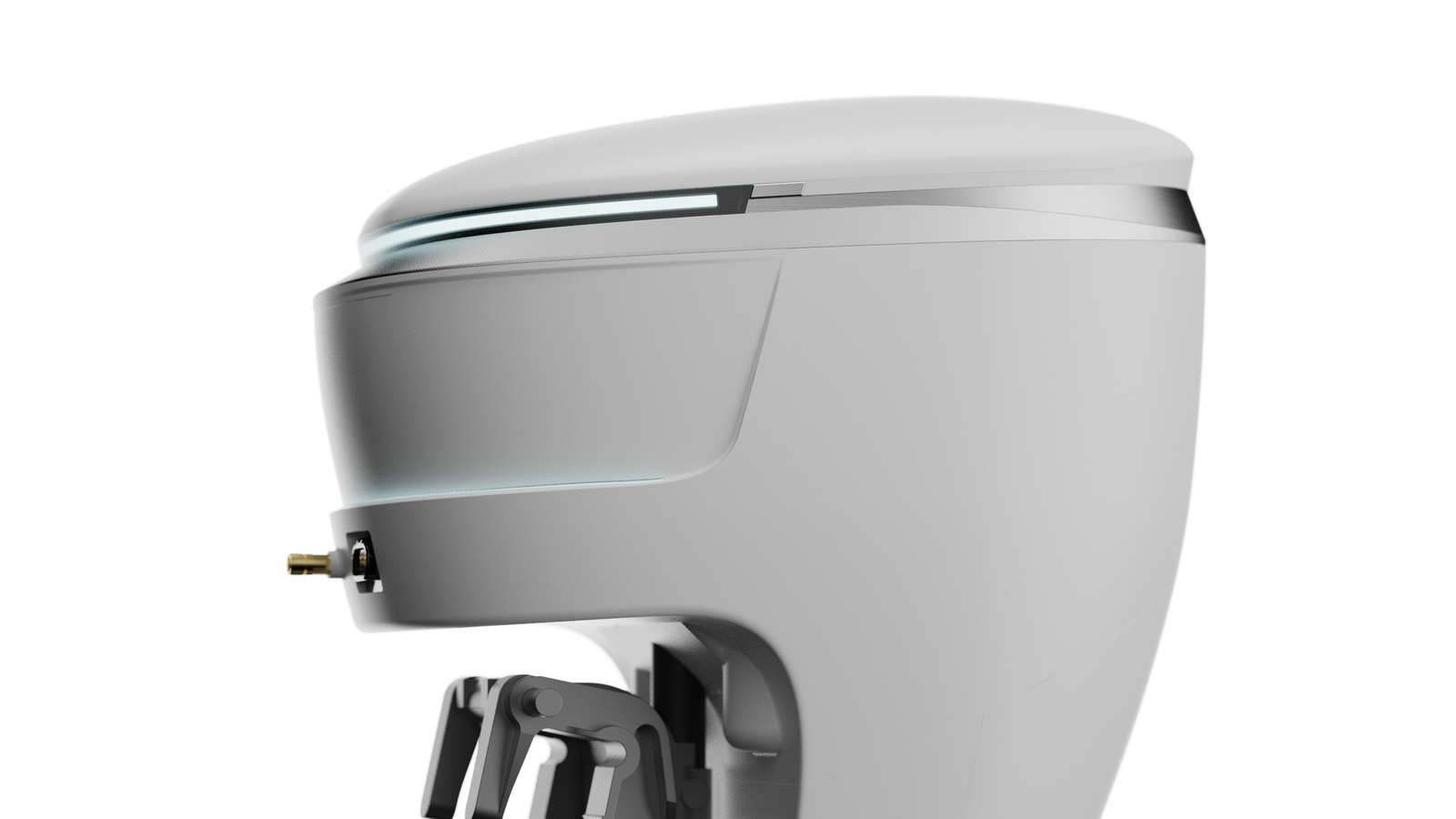
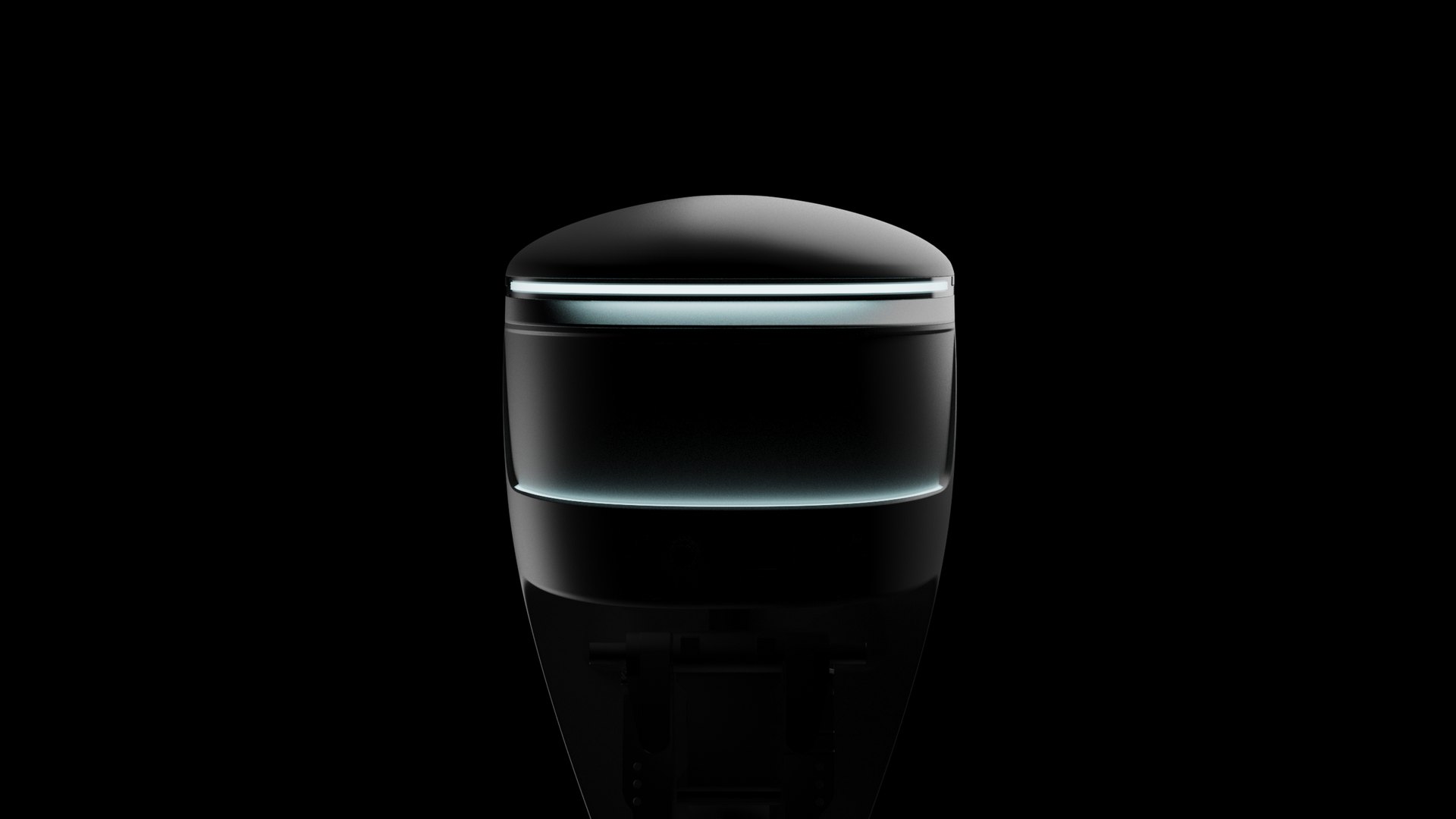
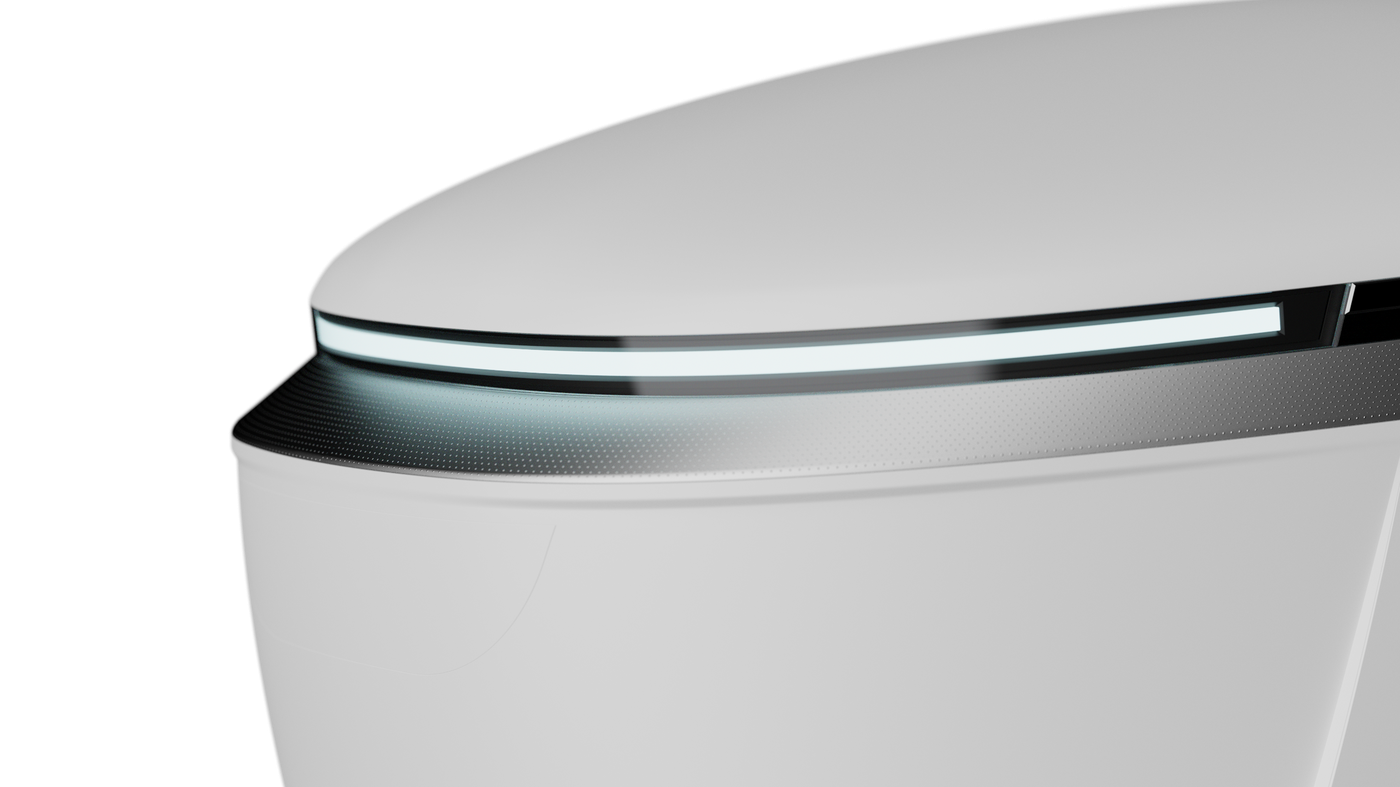
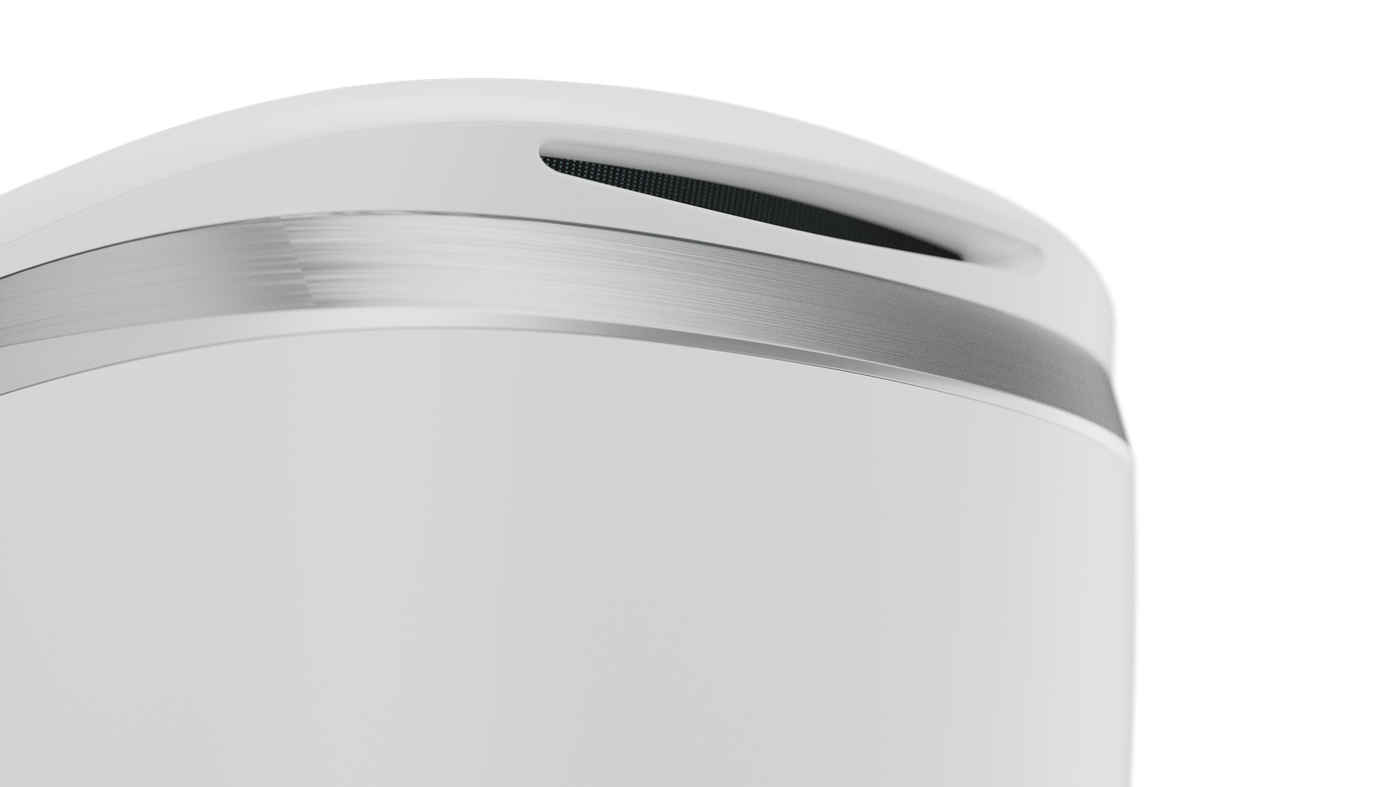
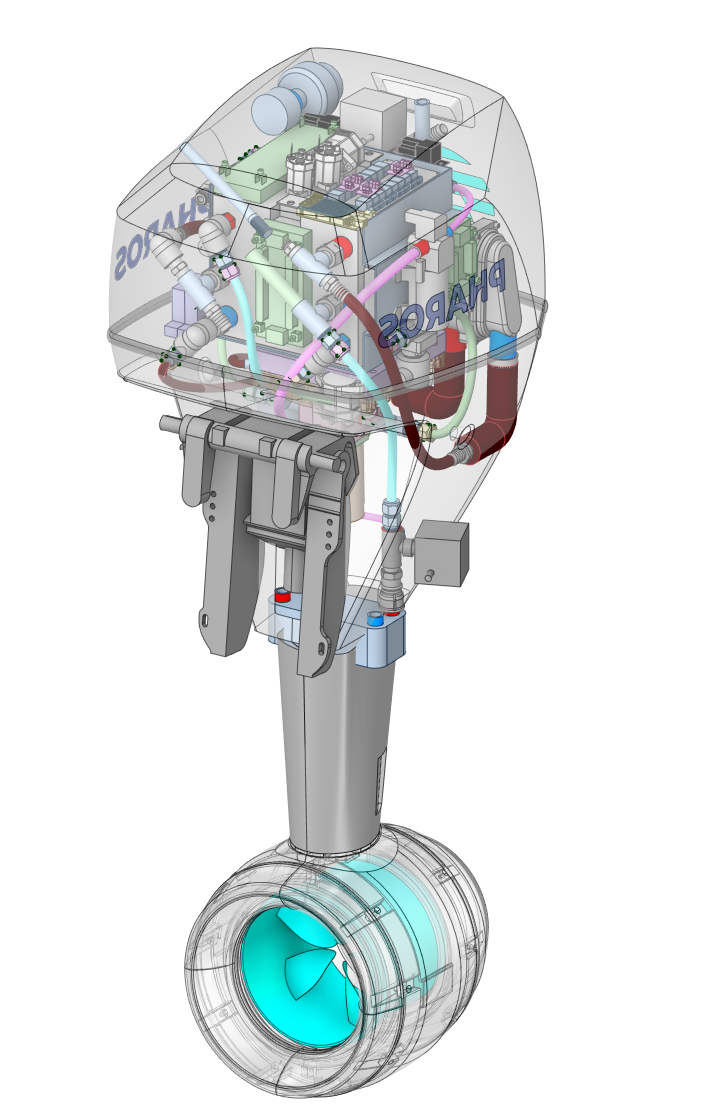
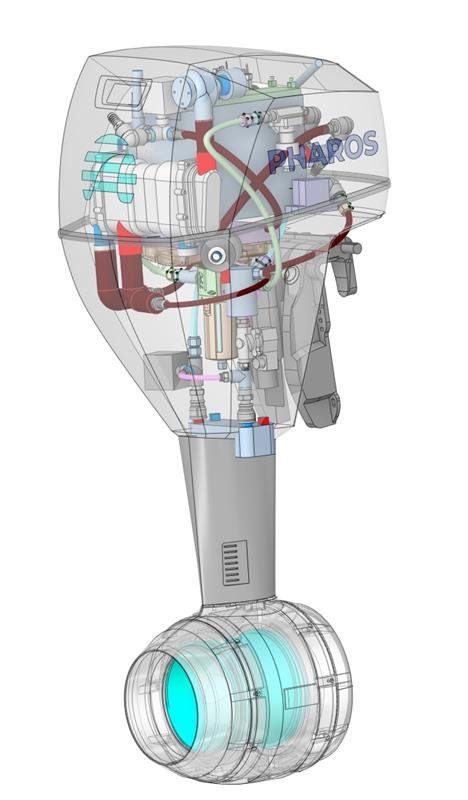
Hydrogen Outboard Motor — 3D rendering
Track 03 — Hydrogen Outboard
Hydrogen Outboard Motor
The world's first hydrogen fuel cell outboard prototype. A next-generation, long-range, high-output solution built on an FC-PHEV architecture.
  • FC-PHEV hybrid architecture
  • Proprietary seawater heat exchange system
  • World-first prototype completed
  • Optimized for special vessels and long-range missions
04
Retrofit Process
Standardized Retrofit Workflow — 01 Survey · Data Site Survey / Data Operational profile + hull structure Detailed analysis of current propulsion — 02 Design · Optimization Design Optimization Automated design pipeline — 4 weeks → 1 day — 03 Module · Installation On-Site Module Install Standardized package No hull modification — 04 Validation · Certification Validation / Certification Performance validation + crew training + continuous field support Pharos Marine FIG.06 — Retrofit Process
1
Phase 01
Site Survey · Assessment
We inspect each vessel's operating environment and hull structure, then determine an applicable specification.
2
Phase 02
System Design
Propulsion specification and energy capacity are sized to the vessel's operating profile.
3
Phase 03
On-Site Installation
We install the new propulsion system on the vessel, including all interfaces with existing equipment.
4
Phase 04
Operational Validation
Performance validation and operator training are completed, and field support continues until stable operation is achieved.

Considering a propulsion transition?

Tell us your vessel type and operating scale, and we'll respond with the applicable track and timeline. B2B · B2G · OEM · fleet-supply — all channels open for discussion.
About PharosMarine

Same vessel.
New propulsion.

A retrofit company that replaces the propulsion of in-service vessels — directly, on-site, with no newbuilds.

— Company · Who We Are

Designing the next generation
of marine propulsion.

A retrofit company that directly replaces the propulsion of in-service vessels. Design and system integration are performed in-house.

PharosMarine — company overview — ABOUT 01
01
Who We Are

Designing the next generation
of marine propulsion.

PharosMarine directly replaces the propulsion of in-service small craft.

Design and system integration are performed in-house, and we deliver our solutions as field-ready packages. Rim-Driven, Electric Outboard, Hydrogen Outboard — selected to match each mission.

Company
Pharos Marine Co., Ltd.
Reg. No.
760-81-02318
Headquarters
8 Jeonggwang-ro, Suite 102, Nam-gu, Ulsan, Republic of Korea
Founded
2021
Core Focus
Development & supply of marine propulsion retrofit solutions
Customers
B2B / B2G / OEM Partners
IP Portfolio
11 patents granted + 1 pending, 1 trademark
Recognition
PPS Innovative Product · MSS Materials/Parts/Equipment Top 100 Startup · PIER71 (Singapore) · KIC DC Tech Summit (USA)
02
Milestones

Development History

Motor development history — Gen 1 → Gen 2: thickness −16.7%, weight −23.5% Motor Roadmap · Gen 1 → Gen 2 → Gen 3
Development Timeline
2021
PharosMarine Founded
Founded in Ulsan as a marine propulsion retrofit specialist. Began developing propulsion transition solutions for small craft.
2022
Hydrogen Fuel Cell Outboard — Gen 1 Prototype
Completed development of the first-generation hydrogen fuel cell outboard prototype. Performance and environmental testing initiated.
2023
World-First Hydrogen Outboard Sea Trial
Successful world-first open-water sea trial of a hydrogen fuel cell outboard. Validated performance and operation in real-vessel conditions.
2024
Rim-Driven Electric Propulsion System Completed
Completed the Rim-Driven electric propulsion system. In-house design and validation cycles secured a proprietary thruster lineup.
2025
Rim-Driven Delivery / Electric Outboard Export
Begin volume delivery of Rim-Driven thrusters. Electric outboards exported overseas, entering the global supply phase.
Contact Us →
— Why Retrofit

No newbuild required —
just new propulsion.

Install new propulsion directly onto the existing hull. Faster than a newbuild — in both cost and time.

Open-water operation — post-retrofit — ABOUT 02
01
Why Retrofit

Transition without
replacing the vessel

The vast majority of small craft worldwide still rely on internal combustion engines. Ordering a newbuild is rarely realistic in either cost or time.

Retrofit — installing new propulsion directly onto the existing hull. No newbuild. Repeat the same procedure, and the fleet transitions together.

"We don't change the vessel. We change how the vessel moves."

No Crew Retraining
Existing control interfaces and operating procedures stay unchanged. Crews need almost no adaptation period.
Faster Than a Newbuild
Skip vessel construction time and replace only the propulsion system. Project cycles shrink dramatically.
Scales to the Whole Fleet
The same procedure repeats across multiple vessels. An entire fleet transitions to consistent quality.
Lower Capital Barrier
Without rebuilding the vessel, the capital required for a transition decision drops substantially.
Contact Us →
— How We Deploy

From site survey
to operational validation.

Every vessel is different. Our four-phase standard procedure adapts to each one.

On-site installation — retrofit work in progress — ABOUT 03
01
How We Deploy

From site survey to operational validation.

Every vessel is different. Our four-phase standard procedure adapts to each one.

Installation types — POD external mount, integrated, modular and other configurations Installation Types · Configuration Categories
Standardized Retrofit Workflow — 01 Survey · Data Site Survey / Data Operational profile + hull structure Detailed analysis of current propulsion — 02 Design · Optimization Design Optimization Automated design pipeline — 4 weeks → 1 day — 03 Module · Installation On-Site Module Install Standardized package No hull modification — 04 Validation · Certification Validation / Certification Performance validation + crew training + continuous field support Pharos Marine FIG.06 — Retrofit Process
01
Phase 01

Site Survey & Assessment

We analyze the vessel's operating environment, hull structure, and current propulsion system, then determine the right transition specification.

02
Phase 02

System Specification

We design propulsion configuration and energy capacity optimized to each vessel's operating profile.

03
Phase 03

On-Site Install & Integration

We install the new propulsion system on the existing vessel and complete integration with on-board equipment.

04
Phase 04

Operational Validation & Support

Performance validation, operator training, and continuous field support — until stable operation is fully transferred.

Contact Us →
— Capabilities & Partnerships

Built in-house —
and built with partners.

Design and system integration capabilities held in-house. Grown alongside government, global, and industry partners.

Rim-Driven Propulsion System — 3D rendering — ABOUT 04
01
Core Capabilities

Core Capabilities

A standardized retrofit solution built on 11 granted patents and an automated design pipeline.

11
Patents Granted
1
Patent Pending
1
Trademark Registered
4 wks→1 day
Design Lead Time (Automated)
Propulsion

Propulsion System Integration

The capability to integrate Rim-Driven Thrusters, fuel cell stacks, and batteries into a single system.

Thermal

Marine Thermal Management

Marine-environment-specific thermal architectures — including direct seawater heat exchange — designed in-house.

Control

Integrated Energy Management

Energy distribution algorithms and control systems developed for FC-PHEV architectures.

Marine

Marine-Grade Engineering

Corrosion, vibration, humidity, salinity — durability standards designed against the realities of the marine environment.

Deployment

Retrofit Packaging

Designed as standard packages to shorten on-site install time and enable repeatable deployment.

Hydrogen

Hydrogen System Integration

The capability to bind fuel cell stacks, hydrogen storage, and BOP components into a single power system.

02
Recognition & Partnerships

Growing together.

Technology credibility validated through government recognition, global track record, and industry partnerships.

Government / Public
PPS · B2G
Public Procurement Service — Innovative Product
Foundation for entry into government and public sector — recognition for innovation and technical capability
Ministry of SMEs and Startups
Materials/Parts/Equipment Top 100 Startup
Selected as one of Korea's top 100 startups in materials, components, and equipment
Global Track Record
2025 · Singapore
PIER71 Selection
Selected for Singapore's global maritime industry accelerator
2025 · USA
KIC DC Tech Summit Award
Recognized as an outstanding technology at the KIC-hosted U.S. tech summit
Partnership
Active
SeHo Marine Solutions
Joint development of unmanned surface vessel propulsion — defense and special-purpose collaboration
B2B / OEM
Vessel Operators · OEM Partners
Building diverse supply structures for fleet-scale conversion programs
Contact Us →
Product Catalog

Three propulsion tracks,
one installation standard.

Rim-Driven, Electric, Hydrogen — three product lines for different markets and missions. Installation, validation, and operation follow one standard.

Track 01 · Rim-Driven Propulsion

Rim-Driven
Propulsion System.

A shaftless architecture that integrates the motor and propeller into a single rim — eliminating the mechanical paths that carry vibration, noise, and maintenance.

PharosMarine Rim-Driven Propulsion — TRACK 01
7%↑
Energy Efficiency Gain
80%↓
Underwater Radiated Noise
Zero Shaft
Shaftless Integrated Architecture
01
A Different Architecture

No shaft. No gearbox.

Conventional electric propulsion runs through a chain — motor → shaft → reducer → propeller. In Rim-Driven, the rotor sits directly on the propeller's outer rim. Remove the connecting parts, and the vibration, noise, and maintenance go with them.

Structural Comparison · Section · Parts · Maintenance Points — 01 Conventional Shaft-Driven Conventional Shaft-Driven Motor Shaft + 3 Bearings Gearbox Propeller Vibration / Noise Path — 5 Points Parts Count 5+ Motor · Shaft · Bearings · Gearbox · Propeller — 02 Rim-Driven Integrated Rim-Driven Integrated Stator Mount Rim + Rotor + Blade · Integrated Vibration / Noise Path Eliminated — 0 Points Parts Count 1 Rim Integrated Module — No shaft, gearbox, or bearings — Qualitative Comparison · Comparative Indicators Parts · Component Count 5+ 1 — 80% reduction in parts via integration Vibration Path · Transmission Points 5 0 — Mechanical paths fully removed Maintenance · Scheduled Service Points High Low — Bearing, seal, and gear maintenance eliminated Reliability · Structural Robustness Base High — Simpler architecture · failure risk minimized Pharos Marine FIG.01 — Rim-Driven vs Conventional Structure
02
Development Process

From design to validation —
handled in-house.

Specification, geometry, CFD, prototyping, performance validation, optimization — all run in-house, with no outsourcing. We are a company that designs propulsion architectures, not one that bolts parts together.

Step 01
Requirements Analysis

Operational environment, vessel characteristics, target performance

Step 02
Geometry Design

Integrated rim, blade, and motor architecture design

Step 03
CFD · Structural Analysis

Flow, thrust, cavitation, and structural analysis

Step 04
Prototyping

Build and assembly based on the design output

Step 05
Validation · Optimization

Iterative refinement against measured data

03
CFD Flow Analysis

Driven by simulation data — not intuition.

Every key performance metric of the propeller is examined and optimized through CFD. Design decisions are grounded in simulation data, not intuition.

CFD Vortex Analysis · Comparative Study — 01 Conventional Shaft Conventional Shaft — 02 Optimized Shaft Optimized Shaft — 03 Rim-Driven · Base Rim-Driven Base — 04 Rim-Driven · Optimized Rim-Driven Optimized Vortex Amplitude 100% 18% — 82% reduction Vortex Intensity 100% 4% — 96% reduction Pharos Marine FIG.02 — CFD Vortex Comparison
CFD vortex comparison — amplitude −82%, intensity −96% (Hub-type vs Hubless rim-driven)
— FIG.02 CFD VORTEX COMPARISON · ORIGINAL ANALYSIS
Flow Distribution
Optimized Flow Distribution

We analyze the flow around the rim and blade geometry. By examining separation, vortex formation, and pressure distribution, we converge on the geometry that delivers the highest thrust efficiency.

Cavitation Analysis
Cavitation Suppression

We predict cavitation at high rotational speeds in advance and adjust the geometry. By refining the blade-surface pressure distribution, the cavitation onset threshold is pushed higher.

Vortex Quantification
−82% Amplitude · −96% Intensity

Across the full operating envelope, simulation shows a 82% reduction in vortex amplitude and 96% in intensity — translating to an inherent reduction in underwater radiated noise.

04
BEMT Design Method

Slice the blade. Calculate section by section.

BEMT (Blade Element Momentum Theory) — a design method that divides a blade into sections, computes thrust and torque per section, and sums them. PharosMarine has built and uses its own BEMT code.

— 01 Method
Section-Wise Analysis

The blade is divided radially into 30 sections. Each section's angle of attack, chord length, and twist contribute to the thrust and torque sums.

— 02 Code
Proprietary BEMT Code

In-house BEMT code (Python · NumPy). Cross-validated with CFD for accuracy calibration.

— 03 Loop
Iterative Optimization

Input target speed and efficiency → automated search across section-wise geometry parameters. ~15 minutes per cycle, run hundreds of times.

— 04 Validation
CFD Cross-Validation

Calibration coefficients are determined by comparing BEMT against CFD. 12 cumulative in-house validation cases on file.

BEMT design workflow — proprietary code, section geometry, and thrust distribution chart
— FIG.04 BEMT METHODOLOGY · INTERNAL CODE WORKFLOW
05
Specifications
Product TypeRim-Driven Electric Thruster (Retrofit Package)
ArchitectureShaftless Rim-Driven Integrated Structure
Key AttributesLow Noise · Low Vibration · High Reliability
Target UseSpecial-purpose vessels, high-reliability operations, vessel retrofit
Supply ModeRetrofit Package / OEM Supply
StatusCFD Analysis Complete · Prototype Development In Progress

How to Procure

From single-unit delivery to fleet-scale supply programs — choose the supply mode that fits your operation.

  • Discussion of target vessel specifications and quantities
  • Determination of optimal specification and installation method
  • On-site installation and commissioning
  • Operational support and after-sales structure
Procurement Inquiry Contact Us OEM Discussion
Contact Us →
Track 02 · Electric Outboard

Electric
Outboard Motor.

A drop-in package that replaces combustion outboards directly. Built for fleet-scale conversion of small craft across Southeast Asia.

Electric Outboard Motor — 3D rendering — TRACK 02
Drop-in
Existing Mount Compatible
Zero Mods
No Hull Modification
N vessels
Fleet-Scale Conversion
01
Why Southeast Asia

Coastal Southeast Asia — the largest conversion opportunity.

Coastal Southeast Asia is the world's largest small-craft market. Most fishing boats and commuter vessels still run combustion outboards. Pressure to electrify is rising fast.

— Market Size
~8M vessels
Estimated small craft in Southeast Asia
— ICE Penetration
95%↑
Share running on combustion outboards
— Annual Replacement
~500K vessels
Annual outboard replacement demand
— Target Region
SE Asia
Vietnam · Indonesia · Philippines first

Designed for the conditions on the water

Southeast Asia shares a common operating profile — short daily routes, limited charging infrastructure, and tight upfront budgets. The product is designed around these constraints from day one.

Not a scaled-down version of a larger system, but a small, drop-in, repeatable platform engineered for that purpose.

Electric outboard operating environment
02
How Drop-in Works

Slots into the existing mount.

The core idea behind drop-in — standard mount compatibility. Combustion-outboard mount geometry stays the same; conversion happens by swap, not by hull modification.

Standard Mount Compatibility
Existing mount specs remain. No hull machining or repositioning required.
Standardized Wiring
Standard connectors between battery, controller, and outboard — minimum on-site cable work.
Identical Operator Interface
Throttle, steering, and start-up sequences unchanged. No crew retraining needed.
Short On-Site Installation
Removal and installation take roughly 4–6 hours. Operational downtime is minimized.
03
Cost Comparison

Newbuild vs Retrofit.

Two paths to electric propulsion — newbuild or retrofit. Here is how cost, time, and operations compare.

— Option A
Newbuild (new electric vessel)
Upfront CostUSD 110K – 220K / vessel
Build Lead Time6–12 months
Crew Adaptation3–6 months
Existing Vessel DisposalRequired
RepeatabilityLow
— Option B (Pharos)
Retrofit (drop-in electric outboard)
Upfront CostUSD 11K – 22K / vessel
Installation Time~4–6 hours
Crew AdaptationNone
Existing Vessel DisposalNot Required
RepeatabilityHigh (fleet-wide)
04
Installation Workflow

Standard four-step install.

Repeat the same procedure on every vessel. The whole fleet converts to identical quality and specification.

  • Step 01
    Vessel Confirmation / Spec Selection
    Verify mount geometry, operating profile, and battery sizing — then lock in the specification.
  • Step 02
    Existing Outboard Removal
    Only the combustion outboard is removed. The mount stays.
  • Step 03
    Electric Outboard Install / Wiring
    Mount the electric outboard and connect the battery and control systems.
  • Step 04
    Sea Trial / Operator Handover
    Performance verification plus operator handover for controls and inspection.
05
Specifications
Product TypeElectric Outboard Motor (Drop-in Retrofit Package)
MountCompatible with existing combustion-outboard clamp mount
Hull ModificationNot Required (Zero hull modification)
Primary MarketsSoutheast Asian small fishing boats, coastal commuter craft, island vessels
Supply ModeSingle-unit / Multi-unit packages / Fleet-supply program
Design GoalOptimized for repeatable rollout, ease of installation, and operational compatibility

How to Procure

From single-unit delivery to fleet-scale supply programs — choose the supply mode that fits your operation.

  • Discussion of target vessel specifications and quantities
  • Optimal battery and control specification
  • On-site installation and commissioning
  • Operational support and after-sales structure
Procurement Inquiry Contact Us Fleet-Supply Discussion
Contact Us →
Track 03 · Hydrogen · World-First Demo

Hydrogen
Outboard Motor.

A zero-emission outboard built on an FC-PHEV hybrid architecture. World-first open-water sea trial completed in 2023.

Hydrogen Outboard Motor — 3D rendering — TRACK 03
FC-PHEV
Fuel Cell + Battery Hybrid
Zero Emission
Zero-Emission Hydrogen Propulsion
World First
2023 Sea Trial Success
01
World-First Sea Trial

2023 — its first run on open water.

In 2023, the world's first open-water sea trial of a hydrogen fuel cell outboard. Beyond lab validation — operation, performance, and safety proven on a real vessel: a next-generation, zero-emission outboard.

From the lab to the sea

Hydrogen fuel cell outboards have been treated as a concept across many research institutions — without an open-water sea trial precedent. PharosMarine reached the first real-vessel operation with a self-developed FC-PHEV architecture and seawater heat-exchange system.

The trial validated reliability, environmental robustness, and operational fit. It serves as the foundation for the production design that follows.

— Trial Date November 2023Open-water sea trial completed
— Trial Area Busan Coastal WatersSouth Sea, Republic of Korea
— Run Duration Approx. 2 hoursPer single trial run
— Output 25 kWCombined FC + Battery
— Items Validated Operation · Environment · SafetyMulti-criteria validation in real conditions
02
FC-PHEV Architecture

FC-PHEV — fuel cell + battery

FC-PHEV (Fuel Cell Plug-in Hybrid) architecture. The fuel cell provides sustained power, while the battery handles peak demand — a dual-energy structure.

Solves the response-time limit of pure hydrogen and the range limit of pure battery in one architecture. Optimized for special-purpose vessels, island operations, and long-range missions.

Pure Battery
  • Limited cruising range
  • Charging time required
  • Battery weight grows with capacity
FC-PHEV (PharosMarine)
  • Hydrogen extends cruising range significantly
  • Battery covers peak power transients
  • Zero-emission, low-noise operation
FC-PHEV system architecture diagram
03
Seawater Heat Exchange

Cooled directly by seawater.

Hydrogen fuel cells generate heat during operation. In a marine environment, direct seawater cooling is the most efficient option. PharosMarine has developed a seawater heat-exchange system designed specifically for outboards.

Seawater heat-exchange system diagram

Direct seawater heat-exchange

Air-cooled designs are vulnerable to marine salinity and humidity. Our approach uses the seawater beneath the outboard for cooling.

The fuel cell stack stays at its optimal temperature — without an extra cooling unit, fully integrated inside the outboard housing.

04
Development Roadmap

From prototype to production.

2022 first prototype → 2023 sea trial → production preparation. Our development journey.

2022
Gen 1 Prototype Completed
First FC-PHEV prototype completed. Operation validated under laboratory conditions.
2023
Open-Water Sea Trial
World's first open-water sea trial. Operation, environmental robustness, and safety validated on a real vessel.
2024 — 2025
Gen 2 Production Design
Production specification defined from sea-trial data. Further weight and thickness reduction in progress.
05
Specifications
Product TypeHydrogen Fuel Cell Outboard (FC-PHEV Hybrid)
ArchitectureFC-PHEV — Fuel Cell + Battery Hybrid
Thermal ManagementSeawater Heat-Exchange System (in-house)
PatentsFC-PHEV hybrid system patent filed (2022)
StatusGen 1 prototype completed · Performance validation in progress
Target UseSpecial-purpose vessels, long-range operations, island areas, zero-emission zones

Partnership and Adoption Discussions

The product is currently in performance validation. We are engaging in strategic partnerships for joint development and lead-customer adoption.

  • Partnership discussion and technical briefing
  • Joint review of operational fit
  • Pilot program design
  • Sharing the production roadmap
Contact Us →
Contact

Get in Touch
· Adoption & Partnership

Tell us your vessel type and operating scale — we'll respond with the applicable track and timeline.

Reach out to PharosMarine

Vessel operators, government agencies, fleet-supply, OEM partnerships, technical briefings — every channel is open. Email us, or use the form below.

Address 8 Jeonggwang-ro, Suite 102,
Nam-gu, Ulsan, Republic of Korea
Reg. No. 760-81-02318
Customers B2B / B2G / OEM Partners

Inquiry Form

Send Inquiry